Optimisation SEO petites entreprises : Booster votre visibilité
L'optimisation SEO aide les petites entreprises à améliorer leur visibilité en ligne. Découvrez des stratégies concrètes pour maximiser votre présence sur Google.
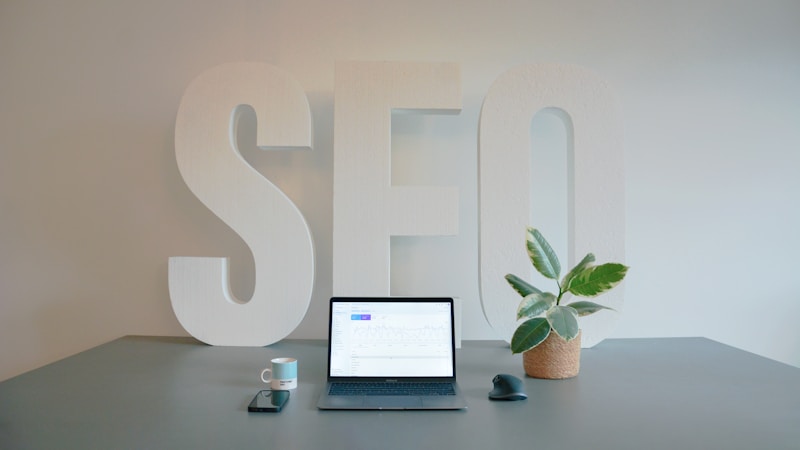
Comment l'optimisation SEO transforme les petites entreprises : stratégies pour booster votre visibilité en ligne?
Je me souviens encore de mes débuts en SEO. Comme beaucoup de petites entreprises, j’avais un site web, quelques pages de contenu, mais il n’y avait aucun trafic. C'était comme avoir une belle vitrine sans aucun passant pour la regarder.
J’avais entendu parler de l’optimisation SEO, ce fameux référencement naturel qui permet d’attirer des visiteurs depuis les moteurs de recherche comme Google, mais je ne savais pas vraiment par où commencer.
Et puis, j’ai compris la clé du succès: si je voulais que mon entreprise soit visible, je devais apparaître sur la première page de Google.
Mais comment être positionné ? C’est là que j'ai plongé dans le monde de l'optimisation SEO, et tout a changé. Voici ce que j'ai appris et comment cela peut transformer, littéralement, votre petite entreprise.
Pourquoi l'optimisation SEO est un véritable tremplin pour les petites entreprises ?
Aujourd'hui, on ne peut pas parler de stratégie digitale sans évoquer le référencement naturel. Si vous êtes propriétaire d'une petite entreprise, sachez que le SEO est votre meilleur allié pour attirer des clients potentiels.
Quand quelqu'un cherche un produit ou un service, où va-t-il ? Directement sur Google. Et là, il tape sa requête dans la barre de recherche. Votre objectif ? Que votre site apparaisse parmi les premiers résultats de recherche.
Mais attention, il ne s'agit pas simplement de "faire du SEO" pour cocher une case. L’optimisation SEO consiste à comprendre comment les internautes recherchent vos produits ou services et à structurer votre contenu pour répondre à leurs attentes.
Pour ça, il faut choisir des mots-clés pertinents, des termes que vos clients potentiels tapent dans la barre de recherche Google. Plus vous serez visible sur ces expressions clés, plus vous attirerez de visiteurs qualifiés, et donc, de clients.
Comprendre les bases de l'optimisation SEO : les mots-clés, un élément fondamental
Si j'ai bien retenu une chose, c'est que tout commence par les mots-clés. Imaginez que vous avez une boutique de vêtements éco-responsables. Ce que vous voulez, c'est que lorsque quelqu'un tape "t-shirt bio" ou "vêtements éco-friendly" dans Google, il tombe directement sur votre site.
Pour cela, vous devez sélectionner les bonnes expressions clés SEO, le champ sémantique, les balises, les titres en fonction de ce que vos clients recherchent réellement.
Des outils comme Google Keyword Planner vous aident à trouver ces fameux mots-clés . Ils vous donnent une liste de termes que vous pouvez utiliser dans vos pages web. Mais attention, il faut aussi regarder le volume de recherche : un mot-clé trop générique peut être très concurrentiel.
Dans ce cas, mieux vaut choisir des expressions longue traîne. Par exemple, au lieu de "chaussures", pourquoi ne pas cibler "chaussures de course pour femme" ?
Ce genre de termes de recherche attire moins de monde, mais ce sont des utilisateurs plus susceptibles de convertir.
Comment choisir les bons mots-clés pour votre stratégie SEO ?
Sélectionner des mots-clés pertinents n’est pas aussi simple qu’on pourrait le croire. Il ne s'agit pas juste de prendre les premiers termes qui nous passent par la tête.
Pour une stratégie efficace, il faut faire des recherches, utiliser des outils de planification de mots-clés, et surtout, penser à l'intention de recherche des utilisateurs.
J'ai appris à me mettre à la place de mes clients. Que cherchent-ils exactement ?
Pourquoi viennent-ils sur mon site ?
Est-ce pour acheter immédiatement ou simplement pour s'informer ?
Par exemple, si quelqu'un tape "comment choisir un t-shirt bio", c'est probablement parce qu'il est encore au début de son parcours d’achat. En revanche, quelqu'un qui cherche "acheter t-shirt bio livraison rapide" est prêt à passer à l'action. C'est ça, l'intention de recherche, et c'est là que l'optimisation SEO joue un rôle crucial.
Optimisation on-page : rendre votre site attrayant pour Google et vos utilisateurs
L’optimisation SEO ne se limite pas aux mots-clés. Une fois que vous avez votre liste de mots-clés, il faut les intégrer judicieusement dans vos pages. Le contenu est roi, c’est vrai, mais encore faut-il qu'il soit bien structuré et facilement lisible par les moteurs de recherche.
Pour cela, assurez-vous que vos pages sont optimisées. Utilisez des balises comme la balise title et la meta description pour décrire précisément ce que contient chaque page. Par exemple, si vous vendez des t-shirts bio, une meta description comme "Découvrez notre sélection de t-shirts bio éco-responsables pour hommes et femmes, livraison rapide et gratuite" peut aider Google à mieux comprendre de quoi parle votre page.
Pensez également à la structure de vos articles. Utilisez des sous-titres (comme ceux que vous lisez ici) pour organiser vos idées, et intégrez vos mots-clés SEO de manière naturelle. Personne n'aime lire des pages bourrées de mots-clés juste pour faire plaisir à Google. Gardez toujours en tête l’expérience utilisateur.
L’importance du SEO local pour les petites entreprises
Si vous êtes une petite entreprise avec une activité locale, le SEO local est une aubaine. Imaginez : vous êtes fleuriste à Bordeaux, et quelqu’un cherche "fleuriste à Bordeaux" sur Google.
Grâce au SEO local, votre site peut apparaître en haut des résultats, et vous attirer de nouveaux clients.
L’une des premières choses à faire est d’inscrire votre entreprise sur Google My Business. C’est gratuit, et cela permet à vos clients de vous trouver facilement. Vous pouvez également inclure des expressions clés locales dans vos pages, comme "fleuriste Bordeaux centre-ville". Cela renforce votre référencement naturel et augmente vos chances de capter un trafic local.
Suivre et analyser ses performances SEO
Après avoir optimisé votre site, il est important de suivre les résultats. Là encore, Google met à disposition des outils comme Google Analytics et Google Search Console pour vous aider à analyser votre trafic.
Ces outils vous permettent de voir quelles pages sont les plus visitées, quels termes de recherche amènent du trafic, et comment améliorer votre stratégie.
Si certaines pages ne fonctionnent pas comme prévu, c’est peut-être que les mots-clés ne sont pas adaptés, ou que le contenu ne répond pas suffisamment aux attentes des utilisateurs. L’analyse vous permet d’ajuster votre stratégie SEO en continu et d’optimiser votre site pour rester compétitif.
Les erreurs à éviter en SEO
Le SEO est une stratégie à long terme, et il est facile de faire des erreurs en cours de route. La première, et peut-être la plus fréquente, est le bourrage de mots-clés. J’ai moi-même fait cette erreur au début. Trop insister sur les mots-clés peut rendre vos textes illisibles et même vous pénaliser auprès de Google.
Autre erreur : négliger l’optimisation mobile. Aujourd’hui, une grande partie des recherches se fait sur mobile. Si votre site n’est pas optimisé pour les smartphones, vous risquez de perdre une grande partie de votre audience. Veillez à ce que vos pages soient responsives et faciles à naviguer, quel que soit l’appareil utilisé.
L'optimisation SEO , une vraie chance pour les petites entreprises
En fin de compte, l'optimisation SEO n’est pas un luxe réservé aux grandes entreprises. Avec les bonnes stratégies, même une petite entreprise peut tirer son épingle du jeu et être positionné dans les premiers résultats de recherche et vous différenciez de vos concurrents et de la concurrence.
Il suffit d’un peu de recherche, de patience et d’une bonne utilisation des outils SEO pour transformer la visibilité en ligne de votre entreprise.
Si vous n’avez pas encore commencé à travailler sur votre référencement naturel, c’est le moment. Vous avez toutes les cartes en main pour booster votre visibilité et attirer des clients, même dans un marché saturé.
Retrouvez tous nos articles sur la communication digitale.
Générez vos propres articles SEO avec l'IA
Créez du contenu optimisé SEO en quelques minutes. Articles de qualité, analyse SEO intégrée, export multi-formats. Commencez gratuitement.
3 crédits offerts • Sans carte bancaire
Partager cet article
💡 Les liens de partage sont optimisés pour l'aperçu sur les réseaux sociaux (titre, image, description)
Articles similaires

1 février 2026
Stratégie vidéo IA 2026 : 10 tendances clés
25 janvier 2026
Partenariats marques-influenceurs en 2026

22 janvier 2026
YouTube devient un pilier SEO à l’ère des AI Overviews

13 avril 2025